


June 24, 2015
FOR IMMEDIATE RELEASE
Reentry program works with those who served our country
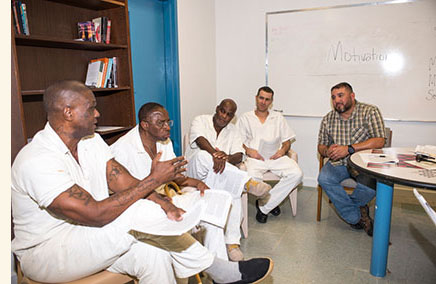 Those who serve in the U.S. armed forces take justifiable pride in the sacrifices they make to fulfill their patriotic duty, but for many veterans, emotional and physical issues such as post-traumatic stress disorder and traumatic brain injury make it difficult to return to normal civilian life. Drugs and alcohol help some cope with their struggles, but the crimes that often come with addiction can land a veteran behind bars. Therefore the TDCJ and the Military Veteran Peer Network have cooperated to provide a reentry program designed to help those who once served our country.
The first Veterans Reentry Dorm opened at the Travis State Jail in July of 2014 and is populated by offenders who have been identified with a service record and wish to participate in the program. The dorm is designed to mimic the squadron structure familiar to veterans. They are housed in pods of eight and each group participates in the same daily activities. Participation in the six-month program is voluntary and requires offenders first take responsibility for the crimes that brought them to prison. They receive rehabilitation programming in developing healthy relationships, anger management and substance abuse treatment, including Alcoholics Anonymous and Narcotics Anonymous.
Senior Warden Kelli Forrester has seen how the program changes some of these veterans. "Offenders lose so much when they come to prison. This program is helping them reconnect to that man - that soldier - who put himself on the line for us. They're getting their self-respect back. It's putting them back in touch with the man they are."
 Every morning, members of the veteran's dorm stand at attention. Two offenders raise the flag as another plays reveille. Every evening, offenders lower the flag while taps is played. The ritual of raising and lowering the flag often reignites the sense of purpose and belonging offenders had as enlisted personnel and will aid their transition back into society as law-abiding members of the community.
Not only are all 24 dorm members veterans; classes are also taught by military veterans, peers from the community who understand the challenges these men face and can offer a unique perspective as they prepare for release and successful reintegration. The significance of this connection isn't lost on program participants. As one participating vet puts it, "These volunteers have been through the same things we have. They're people we can sit down and talk with and they understand. It shows me that there are people out there that care, and it's given me hope for a better life when I release."
Many of these offenders return home and find themselves alone; their family and friends don't understand what they've gone through as an offender or as a veteran and they don't know where to turn. The veteran's program offers critical continuity of care for offenders who might otherwise be released with no assistance or oversight. Depending on the offender's needs, peer coordinators can help a veteran secure housing, upgrade military discharge status, enroll in health benefits through the Veterans Benefits Administration, seek sub-stance abuse or PTSD treatment and access local employment services.
"They're going to leave here with phone numbers and access to peers who are within arm's reach," TDCJ Reentry and Integration Director April Zamora said. "We're connecting them to their community and helping them establish healthy relationships with their peers, people who have struggled with the same obstacles they're facing and have found success."
###